| SHADOWS ON THE WALL | REVIEWS | NEWS | FESTIVAL | AWARDS | Q&A | ABOUT | TALKBACK | |||||
 Shadows off the beaten path Shadows off the beaten pathIndies, foreign, docs and shorts...
On this page:
THE ALABAMA SOLUTION |
CUTTING THROUGH ROCKS |
EVERYBODY TO KENMURE STREET
| |||||
| See also: SHADOWS FILM FESTIVAL | Last update 14.Mar.26 | |||||
|
The Alabama Solution Review by Rich Cline | 
| |||||
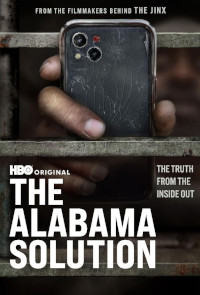 dir-prd Andrew Jarecki, Charlotte Kaufman scr Andrew Jarecki, Charlotte Kaufman, Page Marsella with Raoul Poole, Robert Earl Council, Melvin Ray, Sandy Ray, Steve Marshall, Hank Sherrod, Quante Cockrell, Stacy George, Brandon Davis, Kay Ivey, Roderick Gadson, Jeffery Williams release UK Jun.25 sdf, US 3.Oct.25 25/US HBO 1h54 SUNDANCE FILM FEST Now streaming... |
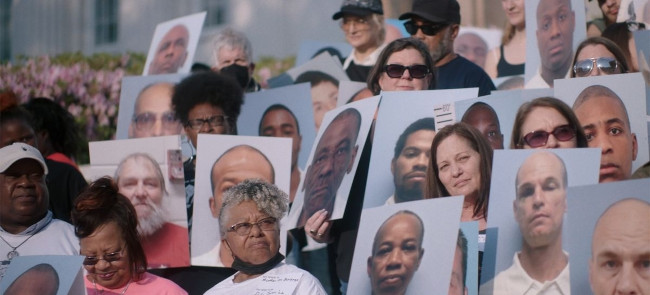 Combining new scenes with footage shot over a decade by Alabama prison inmates, this chilling documentary exposes a wide-ranging coverup of corruption, inhumane conditions, forced slave labour and literally thousands of deaths. Many clips are hard to watch, but the film is sharply edited, taking a nuanced approach to this shocking situation. And it's powerfully inspirational to see these locked-up men unite to take on an unjust system. When a camera crew is blocked from filming the truth about prison life, inmates approach them with horror stories. Alabama prisons operate at double occupancy but only a third of needed staff, so it isn't difficult to smuggle in mobile phones. So the prisoners can shoot evidence of squalid conditions, excessive force and the unpaid labour that fuels the system. Murders, suicides and overdoses are at record levels. But Alabama officials don't have a great history of solving these kinds of problems. On the other hand, the prisoners have a solution of their own. Grim realities are documented by inmates like Raoul, who deeply cares about what is happening, and veteran activist Robert Earl, who uses his camera to make his voice heard, then becomes a victim of guard violence himself. Melvin says video calls are essential because they reveal the truth, allowing him to show himself as he is. Their cameras also catch astonishing footage of prisoners in the grip of drug addiction for which they are offered no help. The film explains how journalists can be legally barred from entering American prisons, so officials can act with impunity, and most atrocities go unreported. They regard mobile phones as dangerous contraband, clearly because it exposes their illegal treatment of prisoners. And parole rates are at record low rates, keeping men locked up where they can't speak out and are required to work without being paid. Most only leave in body bags. It's understandable that the filmmakers take such an unflinching approach to unthinkable incidents. And they also speak to former prison guards who reveal a bigger picture of institutional bullying and aggression. Importantly, inmates also speak about support groups that offer education and brotherhood, helping them find unity for nonviolent protests. No matter who you are, nobody deserves to beaten to death. But raiding education budgets to build bigger prisons doesn't even remotely address the problem. As Robert Earl says, "No one benefits from this version of what they call justice." The fight is far from over.
| ||||
|
Cutting Through Rocks Review by Rich Cline |
| |||||
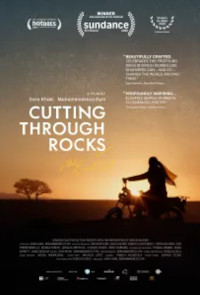 dir-prd Sara Khaki, Mohammadreza Eyni with Sara Shahverdi, Mohammad Shahverdi, Khanoumtaj Azizi, Fereshteh Beigdelo, Sajad Shahverdi, Hamid Shahverdi, Elso Shahverdi, Shamsollah Kordi, Zahra Homanlou, Kolsoun Rahimi, Safarali Shahverdi release UK Aug.25 eiff, US 21.Nov.25 25/Irn 1h34 SUNDANCE FILM FEST Now streaming... |
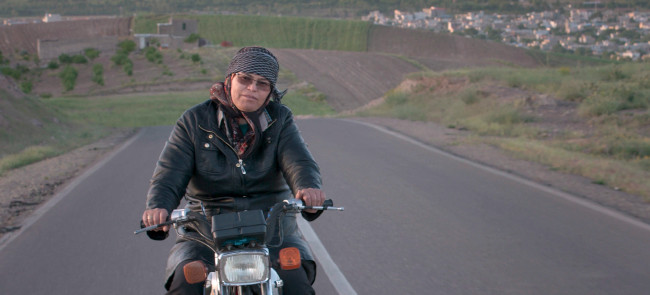 Strikingly shot in a fly-on-the-wall style that skilfully captures picturesque landscapes, big personalities and fascinating cultural dynamics, this documentary centres on a fiercely intelligent Iranian woman who refuses to accept that women have fewer rights than men. Sara Shahverdi is an engaging force of nature. And simply by following her, filmmakers Sara Khaki and Mohammadreza Eyni create a film that is both deeply resonant and powerfully inspirational. In a remote village in northwest Iran, sparky midwife Sara battles for women's rights, starting with her family as she takes on her three younger brothers after they convince their five older sisters to sign over their inheritance. Sara's late father raised her with freedoms that only males usually experience. So she wants girls to be educated rather than married off at 8 years old. She also encourages women to vote, something they usually don't do. In running for the local council, Sara wants to accomplish things previous leaders have promised but never delivered. Superbly shot and edited, the film captures big events vividly while weaving in telling details. At 16, Sara became her family's breadwinner when her father died, because her older sisters were married. In this culture, men consider themselves as the leaders, rejecting the idea of a woman in a position of power. But Sara's father taught her to ride a motorcycle, so she launches a motorbike club to teach girls to embrace their inner strength. She also helps women gain rights, such as shared ownership of their homes. In 12-year-old divorcee Fereshteh, Sara finds a friend and protege who wants to fully contribute to society herself. But the changes are too small for Sara, and she has to accept that tiny steps are better than none. Of course Sara bristles when her brother tells her, "Be quiet, don't fight." Fascinating scenes include a classroom where young teen girls speak about why they struggle to stay in school. "You must see yourselves as doctors, teachers and engineers," Sara says, encouraging them to help fix things. From experience, she also makes sure they understand that doing unconventional things will bring conflict. Sure enough, after being elected councillor, she continually has to take on corrupt men, and of course they fight back, leading to some chilling sequences. These kinds of harsh realities give the film an important, haunting kick.
| ||||
|
Everybody to Kenmure Street Review by Rich Cline |
| |||||
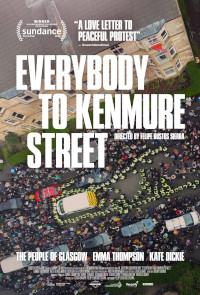 dir Felipe Bustos Sierra prd Ciara Barry, Felipe Bustos Sierra with Emma Thompson, Kate Dickie, Keira Lucchesi, Aamer Anwar, Mohammad Naveen Asif, Eileen Reid, Sumit Sehdev, Lakhvir Singh release UK 13.Mar.26 26/UK 1h35 SUNDANCE FILM FEST Is it streaming? |
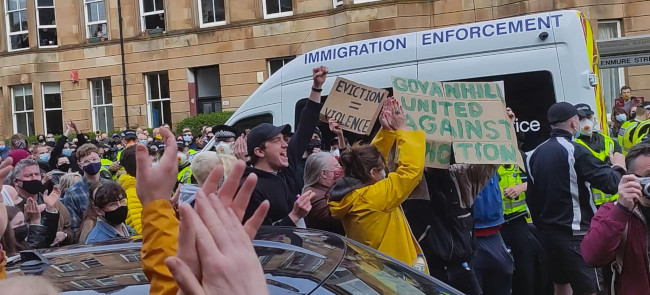 Documenting events from a Glasgow suburb during the pandemic, this film has enormous resonance in today's political landscape, especially with current headlines of immigration enforcement across the US. This is the remarkable story of a community that peacefully insisted that even foreign-born neighbours should not be dragged out of their homes by officials for any reason. And director Felipe Bustos Sierra lets the people tell the story themselves. At the dawn of Eid in May 2021, the Home Office took two Sikhs (Sehdev and Singh) from their homes into a waiting van. But neighbours quickly surrounded the vehicle, refusing to let it leave. Throughout the day, the crowd grew into the thousands, joined by local police, national media and Muslims leaving the nearby mosque on this holy day. The one demand was to let these detained men go, but Home Secretary Priti Patel refused to even answer the phone. Then lawyer Anwar negotiates a solution, and the men are freed eight hours later. Neither Sehdev nor Singh were in the country illegally; they had lived in Scotland for 10 years, and their visas were in process. For the multi-cultural community, this event highlighted the blatantly racist actions of England's Tory government. Most importantly, the protests were resolutely peaceful, as people simply stood or sat in the way, speaking truth to power: "Let them go!" and "Shame on you!" The film cleverly casts actors in key roles, including Thompson playing a man who positioned himself under the van and Dickie as a nurse who made sure he was safe. It's gripping to watch this unfold largely through phone-camera footage that puts us right in the middle of it. Local leader Asif reminds us that "the people of Scotland should not be messed with." And along the way, the film explores the history of Glasgow's pro-migrant protests, including how the city was the first to recognise Nelson Mandela as a hero. This may be because Glasgow was built on the slave trade, so there is a generational continuum of activism. Those present on this day included Kenmure Street resident Eileen Reid, daughter of internationally renowned 1970s activist Jimmy, and members of the Glasgow Girls who highlighted poor treatment of asylum seekers in 2005 and changed the law. So this becomes a wake-up call to audiences around the world, a powerful statement that we can't sit back and allow injustice.
| ||||

See also: SHADOWS FILM FESTIVAL © 2026 by Rich Cline, Shadows
on the Wall
HOME | REVIEWS | NEWS | FESTIVAL | AWARDS
| Q&A | ABOUT | TALKBACK | | ||||
 themes, language, violence
